
Equipment Requirements
It is important to have the right equipment when speed skating so everyone is safe and well-protected.
For CLUB weekly skating:
Mandatory: Helmet, safety glasses, neck guard, gloves, long sleeves/long pants; details below
Optional: cut-proof socks, knee pads, shin guards; details below
Speed Skate Rental – We rent speed skates for $125 for the season to children ages 6 to 18 years old. You will find the option to rent in the online program registration process.
We encourage our Learn-to-Skate program skaters to start with regular skates and move to speed skates once they are confident on regular skates.

Please ask your coach if you are not able to find the items listed below. Some can be ordered online from speed skating specialty companies while others can be purchased locally.
Not all these items are required for beginner skaters so ask your coach what they recommend to start. Have fun!
Mandatory equipment
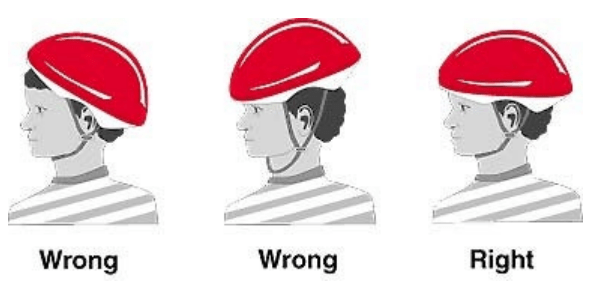
A helmet is mandatory for all club skaters. For beginners any helmet that does not have a pointed segment at the back is acceptable, however, in order to participate in sanctioned competitions competitors must wear an ASTM-certified helmet. Ask your coach for details. (Bike helmets discouraged – hockey or ski helmets are best options)
Safety glasses are mandatory for all club skaters; helmet cage is acceptable as well. Glasses should be resistant to impact and have a strap that allows them to be firmly attached to the participant’s head. (e.g. Racquetball glasses or safety glasses from Home Depot work too!)
Safety glasses and strap are mandatory for Manitoba competitions for all ages.
A neck guard with a bib are mandatory for all club skaters and can be purchased at most sports stores – hockey ones are fine.
Neck guard is mandatory for Manitoba competitions for all ages.
Cut-resistant gloves are mandatory for all club skaters. Gloves designed specifically for the competition are available; however, leather or synthetic leather glove is suitable for beginners.
Cut-resistant gloves are mandatory for Manitoba competitions for all ages.
Full-body suit OR long sleeves|long pants, covering the participant’s arms and legs is necessary to reduce the risk of getting cut and to keep warm. It can be a skin suit worn in competition as shown in the illustration or a pair of pants with a long-sleeved shirt that allows the participant to have a full range of motion. Skating makes the kids hot so don’t send them out in their winter jackets as they will sweat quickly.
Optional equipment
Cut-proof socks: cuts to the ankles are among the most common, and preventable injuries suffered by speed skaters, and these socks significantly reduce the risk.
Not required for club practice sessions except for group 3 skaters.
Cut-proof socks are mandatory for Manitoba competitions for all ages.
Knee pads are often built directly into competition skin suits.
Not required for club practice sessions but recommended for the Learn to Skate Program.
A knee pad made of high-density foam that protects the side of the knee is recommended. Participants should avoid the hard plastic knee pads often used for rollerblading. Volleyball knee pads work well.
Knee pads are mandatory for Manitoba competitions (if not wearing a skin suit) for all ages.
For beginners, having knee pads makes learning to skate less painful and a lot more fun, so grab a pair before they get on the ice!
Shin pads are also often integrated into competition skin suits.
Not required for club practice sessions.
Shin pads are mandatory for Manitoba competitions (if not wearing a skin suit) for all ages.
Questions? Email us at winnipegspeedskating@gmail.com.
Are your child’s skates a little uncomfortable? Are they hurting in a specific area? Here is a great video from Coach Scott on how to heat mold the boots for a better fit.
To Properly Maintain Blades
- Be sure to fully dry the blades after each use to prevent rust from developing.
- Store the blades in a cotton skate cover, between practices, not in plastic skate guards where condensation will accumulate on the blades and cause them to rust.
- Use a hard-plastic skate guard when going on and off the ice.
- Sharpen the blades regularly. It is best to sharpen quickly on a regular basis rather than an occasional long sharpening job. Skates can be sharpened by club sharpeners: label with the skater’s name, and leave skates in the sharpening basket after practice. Cost is $5.00 per pair.
- Check the edge of the blade with a fingernail to check for sharpness and burr. If you are able to scrape some of your nails, the blade does not need to be sharpened. When checking for burr, you want to be able to scrape your fingernail upwards on the side of the blade without catching it on a piece of metal.
- Have the rocker and bend-on skates checked at least twice (beginning and mid-season) per season by a club coach or equipment person; ask your coach for details.
 Winnipeg Speed Skating Club